

One of the quiet surprises new fountain pen writers discover is this: the pen is only half the story. The paper matters enormously. Yet many beginners assume they must spend serious money on specialty notebooks to avoid the dreaded ink feathering or bleed-through. That simply is not true.
After years of testing paper from big-box stores to online boutiques, I can tell you that some of the most enjoyable writing experiences cost remarkably little. You just need to know where to look and what to watch for.
What Makes Paper Fountain Pen Friendly?
Fountain pen ink behaves differently than ballpoint ink. It is water-based and relies on the paper surface to absorb it gradually. When paper fibers are too loose or the coating too rough, ink bleeds through to the other side or spreads sideways in a feathering pattern that blurs your writing.
Fountain pen-friendly paper typically shares a few characteristics:
- Higher GSM (grams per square meter): Papers rated at 80 GSM or above resist bleed-through much better than thin printer paper.
- Smooth surface: A calendered or lightly coated surface allows the nib to glide without dragging on rough fibers.
- Controlled ink absorption: The paper should absorb ink fast enough to prevent smudging but slowly enough to keep lines crisp.
Why You Do Not Need to Spend a Fortune
Premium papers from Rhodia, Clairefontaine, and Tomoe River are genuinely excellent — but they carry a price that can feel discouraging when you are just starting out. The good news is that many everyday papers already meet the fundamental requirements for a pleasant fountain pen experience.
Before buying a full notebook, test a single sheet from a candidate brand. Write a line, let it dry for 30 seconds, then flip the paper over. No bleed-through and clean line edges? You have found a keeper.
Understanding what to look for lets you find excellent paper without premium pricing. Several well-known brands available at grocery stores and office retailers perform surprisingly well.
Top Affordable Fountain Pen Paper Options
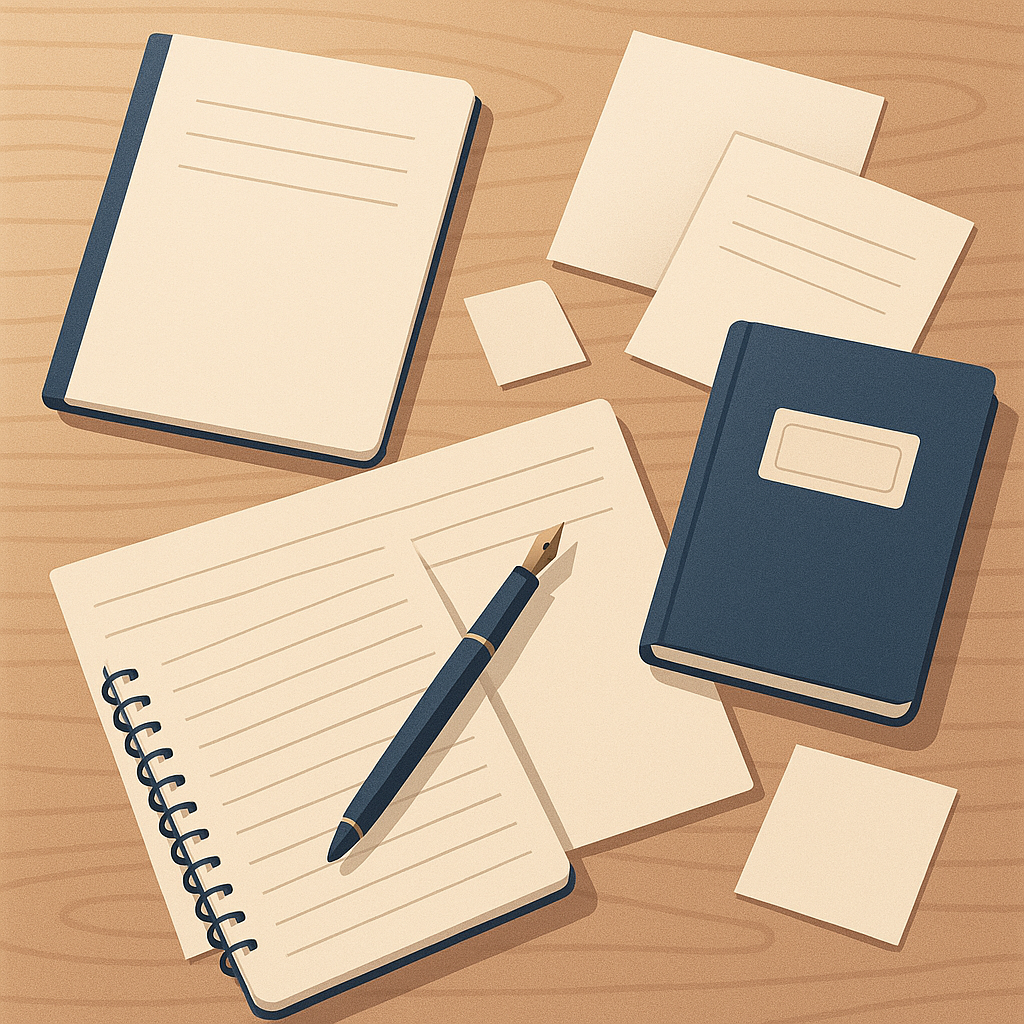
These brands have earned genuine praise in the fountain pen community for combining low cost with reliable performance:
- Kokuyo Campus notebooks: A beloved Japanese brand widely available at Daiso and Asian specialty stores. The paper is smooth, handles most inks cleanly, and the notebooks cost only a few dollars each. Their loose-leaf paper is a favorite for daily note-taking.
- Apica CD Notebooks: Slim, affordable, and fountain pen-friendly. The paper sits between Rhodia and ordinary printer paper in terms of smoothness — a genuine sweet spot for everyday writing.
- Maruman Mnemosyne: Slightly pricier than Kokuyo but still far below specialty notebooks. The paper handles wet inks beautifully and shows off ink shading and color depth well.
- Staples Premium Bright White paper: A simple, inexpensive office paper (24 lb, 90 GSM) that resists bleed-through for most standard inks. Ideal for daily practice without any notebook overhead.
- Walmart Pen+Gear notebooks: These budget-friendly composition notebooks — especially those made in Vietnam — surprise many seasoned writers. Look for them during back-to-school sales when prices drop further.
The Midori MD Notebook also deserves mention. While positioned as a premium product, it falls in a mid-range price and consistently delivers excellent ink handling, crisp line definition, and impressive shading depth for dye-based inks.
Tips for Testing and Getting the Most from Budget Paper
- Start with your drier inks: Budget papers handle moderately wet inks well but may struggle with very wet pens or specialty shimmer inks. Use everyday blue or blue-black inks on new paper first.
- Write slightly slower: Allowing the nib to move at a relaxed pace helps ink absorb cleanly rather than pooling on the surface.
- Check both sides: Some papers resist bleed on page one but ghost noticeably on the reverse. Test writing density before committing to a full notebook for double-sided use.
- Keep a sample log: Many collectors keep a small binder with paper swatches, brand, and ink test results. A simple habit that saves money and frustration over time.
Pros and Cons of Budget Fountain Pen Paper
Low financial commitment
Testing different brands costs very little, making it easy to experiment freely without worry.
Widely available
Kokuyo, Staples, and Walmart options are found locally, with no specialty ordering needed.
Ideal for daily practice
Writing freely when you are not worried about wasting expensive paper builds better habits faster.
Less ink showcase
Budget papers rarely reveal the full shading, sheen, or shimmer of premium inks the way Tomoe River paper does.
Variable quality between batches
Store-brand notebooks can change paper suppliers without notice. A notebook you loved last year may differ slightly in the next batch.
Frequently Asked Questions
Is regular printer paper safe for fountain pens?
Some printer paper works fine, especially higher-GSM options. Standard 20 lb printer paper tends to feather. Staples Premium 24 lb performs noticeably better and handles most fountain pen inks without issue.
Can I use composition notebooks from grocery stores?
Many work surprisingly well. Look for notebooks labeled “Made in Vietnam” or “Made in India” — these often use paper that handles fountain pen ink with minimal feathering.
What GSM is the minimum I should look for?
Aim for 80 GSM or above for comfortable double-sided use. Below 75 GSM, bleed-through becomes likely with wetter pen and ink combinations.
Do I need specialty paper to enjoy fountain pens?
Not at all. Specialty paper is a pleasure, not a requirement. Many longtime enthusiasts write daily on Kokuyo or Staples paper and reserve premium sheets for special correspondence.
Final Thoughts
Fountain pen writing should feel like a joy, not a financial burden. The truth is that excellent paper is more accessible than most beginners expect. Starting with an affordable Kokuyo Campus notebook or a pack of Staples Premium paper lets you write freely, practice without pressure, and gradually develop your own paper preferences over time.
The more you write, the more you will notice what you like — smoothness, dryness, how your favorite ink shades on a given paper. That journey of discovery is part of what makes this hobby so satisfying. And it does not have to cost much to begin.