

There is a moment every new fountain pen enthusiast experiences: you take out your beautiful pen, fill it with ink, open a notebook you already have at home — and watch in dismay as the ink bleeds right through the page. That moment is a rite of passage, and it teaches one of the most important lessons in this hobby: the notebook matters just as much as the pen.
Choosing the right notebook for fountain pen writing is not complicated once you know what to look for. This guide will walk you through every consideration that matters, so you can make a confident choice from the very beginning.
Why Fountain Pens Demand Better Paper
Fountain pen ink is water-based and flows in liquid form onto the page. Unlike ballpoint ink, which is thick and oil-based, fountain pen ink stays wet on the surface for a brief moment before drying. This means the paper needs to be able to handle that moisture without absorbing it too aggressively.
When a notebook’s paper is too porous or rough, you will see three common problems:
- Feathering: Ink spreads sideways along paper fibers, creating fuzzy, blurry lines instead of crisp strokes.
- Bleed-through: Ink soaks all the way through the page, ruining the other side and making the notebook nearly unusable.
- Ghosting (show-through): Writing from one side faintly shows through to the back, even if the ink hasn’t fully bled.
Good fountain pen notebooks prevent all three of these problems, while also allowing the ink’s color and shading to appear at their most vibrant.
What to Look for in a Fountain Pen Notebook
Before diving into specific brands, understanding the key characteristics will help you evaluate any notebook you encounter.
Paper Weight (GSM)
GSM stands for “grams per square meter” and measures paper density. For fountain pens, the general rule is that heavier paper handles ink better.
- 80–90 GSM: The sweet spot for most users. Rhodia and Clairefontaine use 90 GSM paper that resists feathering beautifully while still showcasing ink shading.
- 100–120 GSM: Excellent for wetter pens and heavy users. More resistant to bleed-through.
- 52–70 GSM: Can work if the paper has special coatings. Tomoe River paper at 52 GSM is a famous example — thin but exceptionally fountain pen-friendly.
Paper Texture and Smoothness
For fountain pens, smooth or satin-finish paper is ideal. It lets the nib glide effortlessly without snagging on fibers. Rhodia’s paper is often described as glass-smooth, which is why it is universally praised. Medium-texture papers work well too, providing a slight tactile feedback that some writers prefer. Avoid rough or heavily textured papers for daily writing — they increase feathering risk and wear down nibs faster.
Binding Style
A notebook that lays flat when open makes writing far more comfortable. Look for notebooks with lay-flat or sewn binding. Spiral-bound notebooks also work well since both sides open completely flat. Standard glued spines can force the pages to curve, making it awkward to write near the center.
Best Notebook Formats for Different Writing Needs
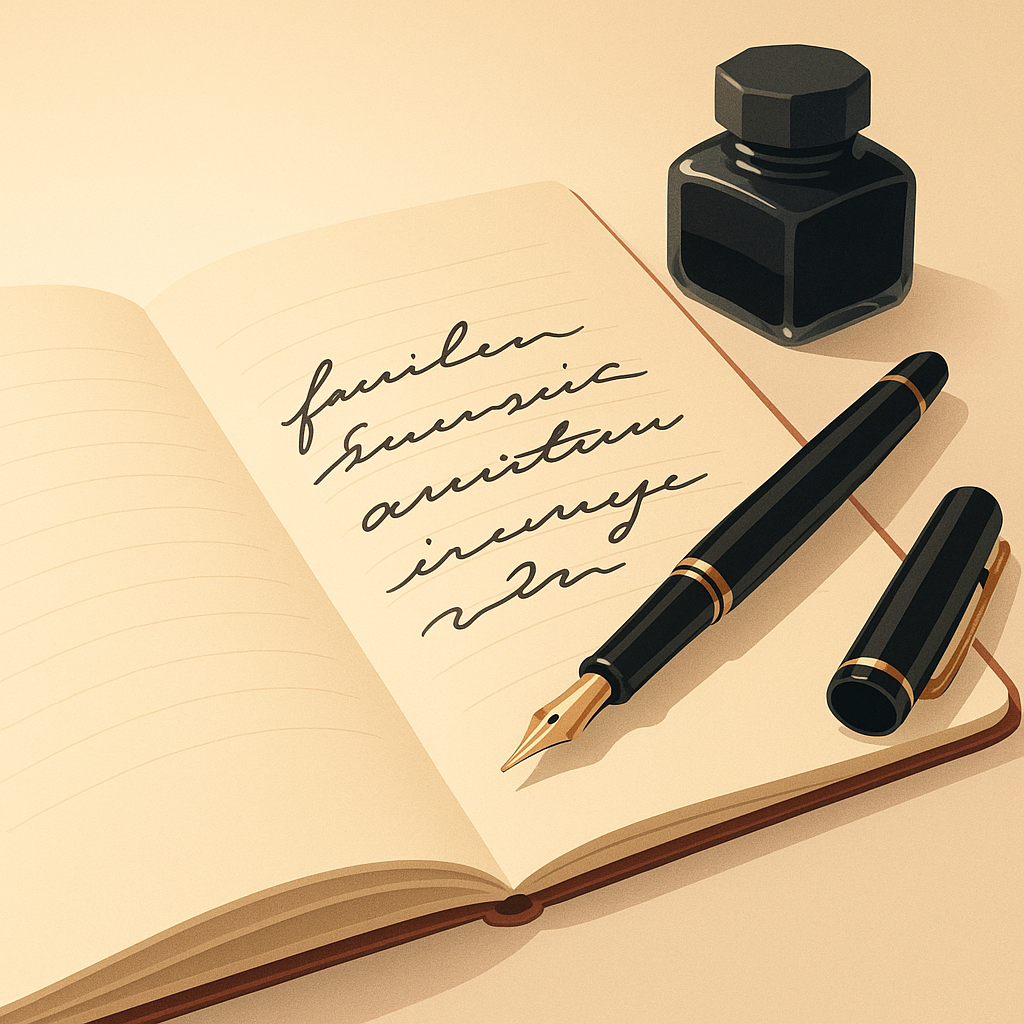
Once you understand paper quality, the next step is matching the notebook format to how you plan to use it.
For Daily Journaling
A standard A5 size notebook works beautifully for daily journaling. It’s compact enough to carry in a bag but large enough for comfortable, flowing writing. Leuchtturm1917 and Rhodia notebooks in A5 are popular choices. Look for dot-grid or blank pages if you want freedom, or lined pages if you prefer structure.
For Letter Writing
For personal correspondence, an A5 or letter-size notepad with premium paper elevates the experience. Clairefontaine writing pads offer beautiful, heavyweight sheets that make handwritten letters feel truly special.
For Bullet Journaling or Planning
Dot-grid notebooks like Leuchtturm1917 or Rhodia Goalbook are excellent for structured planning. The dot grid provides guidance without intrusion, and the paper handles fountain pen ink very well.
Top Notebook Picks at Every Price Point
Here is a practical overview of trusted options across different budgets:
- Rhodia Webnotebook: 90 GSM paper, hardcover, lay-flat binding. The gold standard for everyday fountain pen writing. Available in A5 and A6 sizes.
- Clairefontaine Triomphe: 90 GSM coated paper in a clean, elegant format. Ink colors appear brilliantly vibrant on this surface.
- Leuchtturm1917: Widely available, good for bullet journaling, dot-grid pages, numbered pages. 80 GSM paper — handles most pens well.
- Midori MD Notebook: Premium 80 GSM MD paper that showcases ink shading beautifully. Minimalist Japanese design with excellent lay-flat binding.
- Apica CD Notebook: Budget-friendly Japanese option with smooth paper that consistently performs above its price point.
Pros and Cons of Different Notebook Styles
No feathering or bleed-through
High-quality coated paper keeps ink crisp and contained, making every line clean and intentional.
Ink shading is visible
Good paper lets the natural variation in fountain pen ink appear, adding depth and beauty to handwriting.
Writing feels effortless
Smooth paper reduces friction, making long writing sessions comfortable and enjoyable.
Higher cost than standard notebooks
Premium fountain pen notebooks cost more upfront, though they are worth every penny for the experience they provide.
Longer ink drying time
Coated papers take slightly longer to dry, which can be an issue for left-handed writers or those who write quickly.
Frequently Asked Questions
Can I use any notebook I already own?
You can try, but standard college-ruled or composition notebooks often cause feathering and bleed-through. It is worth investing in a dedicated fountain pen notebook for the best experience.
What is the best size for a beginner’s notebook?
A5 (approximately 5.8 × 8.3 inches) is the most popular size among fountain pen enthusiasts. It offers enough space for comfortable writing without being too large to carry.
Does paper color matter?
White paper showcases ink colors most accurately. Cream or ivory paper is easier on the eyes and adds a warm, classic aesthetic — many writers over 50 find it more comfortable for extended sessions.
How do I know if a notebook will work before buying it?
Look for brands that specify GSM and mention fountain pen compatibility. Reviews from communities like r/fountainpens are also an excellent resource for real-world experience.
Final Thoughts
Choosing the right notebook is one of the most rewarding decisions you will make as a fountain pen enthusiast. The right pairing of pen, ink, and paper creates a writing experience that is genuinely pleasurable — something you will look forward to every single day.
Start with a Rhodia A5 notebook if you want something reliable and affordable. Experiment from there. Each new paper surface will teach you something new about your pen and your ink, and that process of discovery is one of the quiet joys this hobby offers.