

If you’ve ever wondered what is a fountain pen and why so many people swear by them, you’re in for a treat. As someone who discovered fountain pens later in life, I can tell you they’re far more than just writing instruments—they’re a gateway to a more mindful, enjoyable writing experience.
Whether you’re curious about their elegant design, smooth writing feel, or simply want to understand what sets them apart from regular pens, this guide will answer all your questions about fountain pens in plain English.
What Is a Fountain Pen?
A fountain pen is a writing instrument that uses liquid ink stored in an internal reservoir, which flows through a feed system to the nib (writing tip) by capillary action. Unlike ballpoint pens that rely on thick, paste-like ink and pressure from your hand, fountain pens write with minimal pressure using free-flowing liquid ink.
The magic happens in the nib—a metal tip that’s split down the middle, allowing ink to flow smoothly onto paper. This design has remained essentially unchanged since the early 1900s, which speaks to its elegance and effectiveness.
How Fountain Pens Work
The science behind fountain pens is beautifully simple:
- Ink Storage: Liquid ink is held in a cartridge, converter, or built-in reservoir
- Feed System: A plastic component with tiny channels guides ink from the reservoir to the nib
- Capillary Action: The ink flows naturally through the slit in the nib without needing pressure
- Air Balance: A carefully designed air system prevents leaks while maintaining steady ink flow
Why Fountain Pens Feel Different
When you first write with a fountain pen, you’ll immediately notice the difference. The experience is smooth, effortless, and surprisingly relaxing. Instead of pressing down and dragging a ballpoint across the page, you’re simply guiding the fountain pen as the ink flows naturally.
This gentle writing style can actually reduce hand fatigue, making fountain pens particularly appealing for anyone who does extensive writing or has arthritis or other hand conditions.
Fountain Pen Anatomy: Understanding the Parts
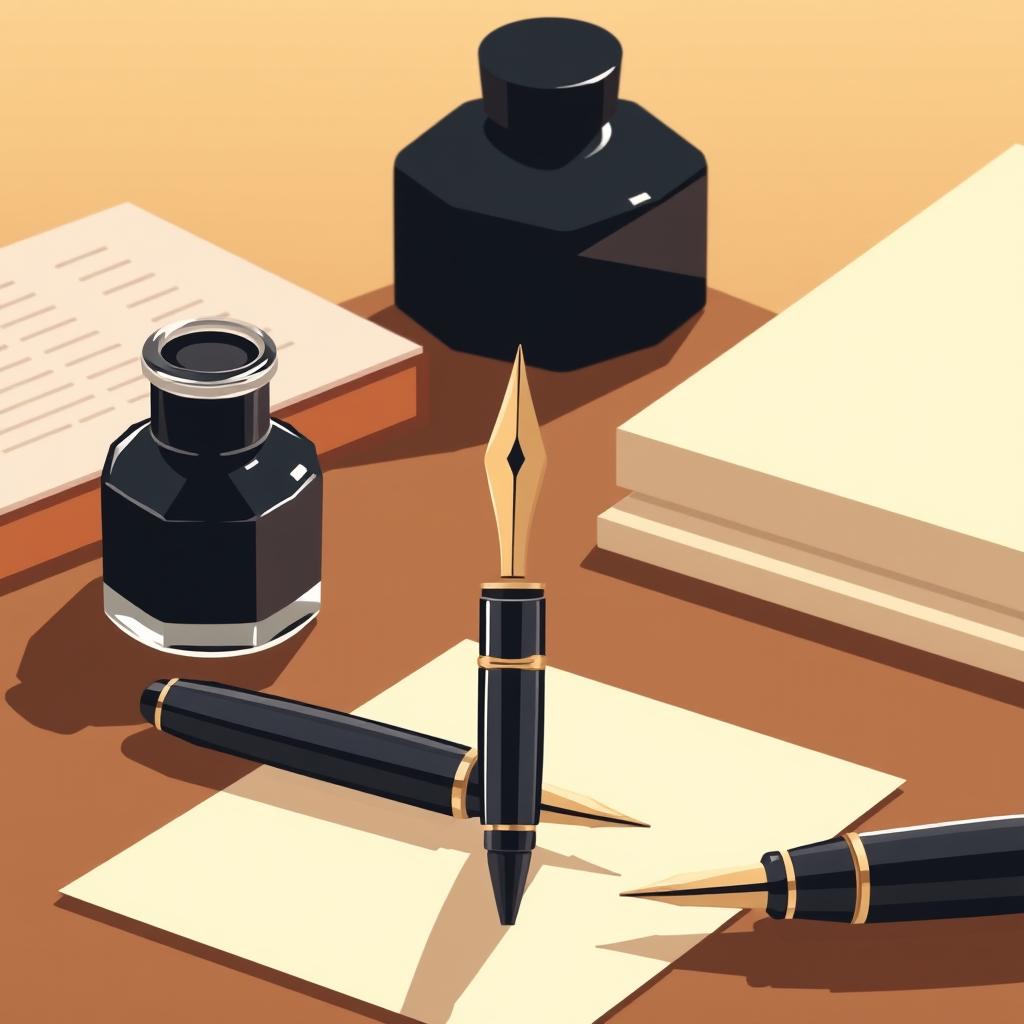
To truly understand what makes fountain pens special, let’s explore their main components:
The Nib
The nib is the heart of any fountain pen. Made from steel or precious metals like gold, the nib determines how your writing looks and feels. The tines (the two halves of the split nib) flex slightly as you write, creating line variation that adds character to your handwriting.
The Feed
This plastic component sits directly under the nib and contains microscopic channels that deliver ink from the reservoir to the writing tip. A well-designed feed ensures consistent ink flow without flooding or starving the nib.
The Grip Section
This is where you hold the pen, typically located just above where the nib meets the barrel. Many fountain pens feature ergonomic designs or materials that make extended writing sessions more comfortable.
Types of Fountain Pen Ink Systems
Fountain pens offer three main ways to hold and deliver ink, each with distinct advantages:
Cartridge System
Pre-filled plastic cartridges that plug directly into the pen. They’re convenient, clean, and perfect for beginners. Simply insert a new cartridge when the old one is empty.
Converter System
A refillable cartridge that draws ink from bottles. Converters offer access to thousands of ink colors while being more environmentally friendly than disposable cartridges.
Piston or Built-in Filling Systems
These pens have internal mechanisms for drawing ink directly from bottles. They typically hold more ink than cartridges or converters and are favored by serious fountain pen enthusiasts.
Smooth, Effortless Writing
No pressure needed—the ink flows naturally with minimal hand fatigue.
Expressive Line Variation
Flexible nibs create natural line width changes that add personality to your handwriting.
Environmentally Friendly
Refillable systems reduce plastic waste compared to disposable pens.
Vast Ink Color Options
Thousands of ink colors available, from practical blues to vibrant purples and beyond.
Learning Curve
Requires different writing technique and occasional maintenance.
Potential for Mess
Liquid ink can stain if spilled, though this becomes less of an issue with experience.
Paper Sensitivity
Works best on fountain pen-friendly paper; may bleed or feather on cheap paper.
Frequently Asked Questions
Are fountain pens difficult to use?
Not at all! While there’s a small learning curve, most people adapt within minutes. The key is using a light touch and letting the pen glide across the paper.
Do fountain pens leak in your pocket?
Modern fountain pens are designed with sophisticated air-seal systems that prevent leaking when capped. Occasional leaks usually result from extreme temperature changes or damage.
Can you use fountain pens for everyday writing?
Absolutely! Many people use fountain pens for note-taking, journaling, letter writing, and even office work. They’re particularly enjoyable for longer writing sessions.
How much do decent fountain pens cost?
You can find excellent beginner fountain pens for $15-30. As you develop your preferences, there are options at every price point from $50 to several thousand dollars.
Final Thoughts
Understanding what a fountain pen is marks the beginning of a potentially rewarding journey into analog writing. These elegant instruments offer a more thoughtful, comfortable way to put words on paper, whether you’re journaling, writing letters, or simply enjoying the meditative quality of handwriting.
The best part? You don’t need to be a calligraphy expert or writing enthusiast to appreciate fountain pens. They’re simply well-designed tools that make writing more enjoyable for anyone willing to try something a little different.