The right paper transforms fountain pen writing from merely functional to genuinely pleasurable. After testing dozens of paper types with various fountain pens and inks, I've learned that paper quality matters as much as the pen itself.
Quality fountain pen paper prevents bleeding, reduces feathering, and showcases ink shading and sheen in ways ordinary paper simply can't match. Let me guide you through what makes excellent fountain pen paper and which brands consistently deliver the best writing experience.
What Makes Paper Fountain Pen-Friendly?
Before we explore specific brands, understanding paper properties helps you make informed choices and evaluate new options as they emerge.
- Tight fiber structure: Prevents ink from spreading between paper fibers.
- Proper sizing: Chemical treatment that controls ink absorption rate.
- Sufficient weight: Heavier paper (typically 80gsm+) resists bleed-through.
- Smooth surface: Allows nibs to glide without catching on rough texture.
- pH neutral: Archival quality that preserves writing over decades.
The best fountain pen papers excel in all these characteristics while remaining affordable enough for daily writing rather than special occasions only.
Understanding Paper Weight and Coating
Paper weight directly impacts bleed-through resistance. Standard copy paper runs 60-70gsm — adequate for ballpoints but problematic for wetter fountain pen inks. Quality fountain pen paper starts at 80gsm and climbs to 100gsm for premium options.
Surface coating matters equally. Papers designed for fountain pens receive specialized sizing treatments that slow ink absorption just enough to prevent feathering while allowing proper drying. This delicate balance separates exceptional papers from merely adequate options.
Top Fountain Pen Paper Brands
🏆 Rhodia — The Gold Standard ($8-12 per pad)
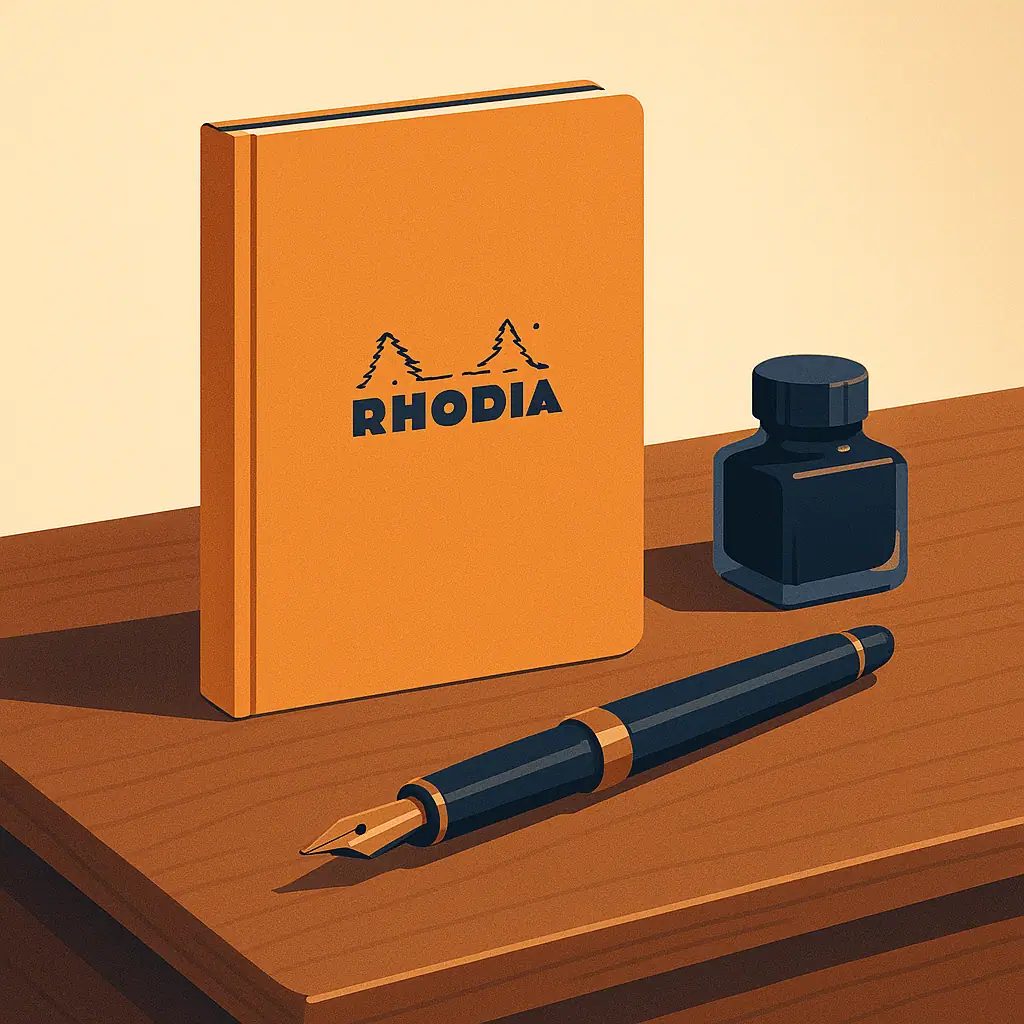
Rhodia's ivory-colored Clairefontaine paper has earned its reputation through decades of consistent quality. The 80gsm Velin finish provides silky smoothness that makes every pen feel premium. Best for: Daily writing, note-taking, and general correspondence where reliability matters most.
⭐ Clairefontaine — French Excellence ($7-10 per notebook)
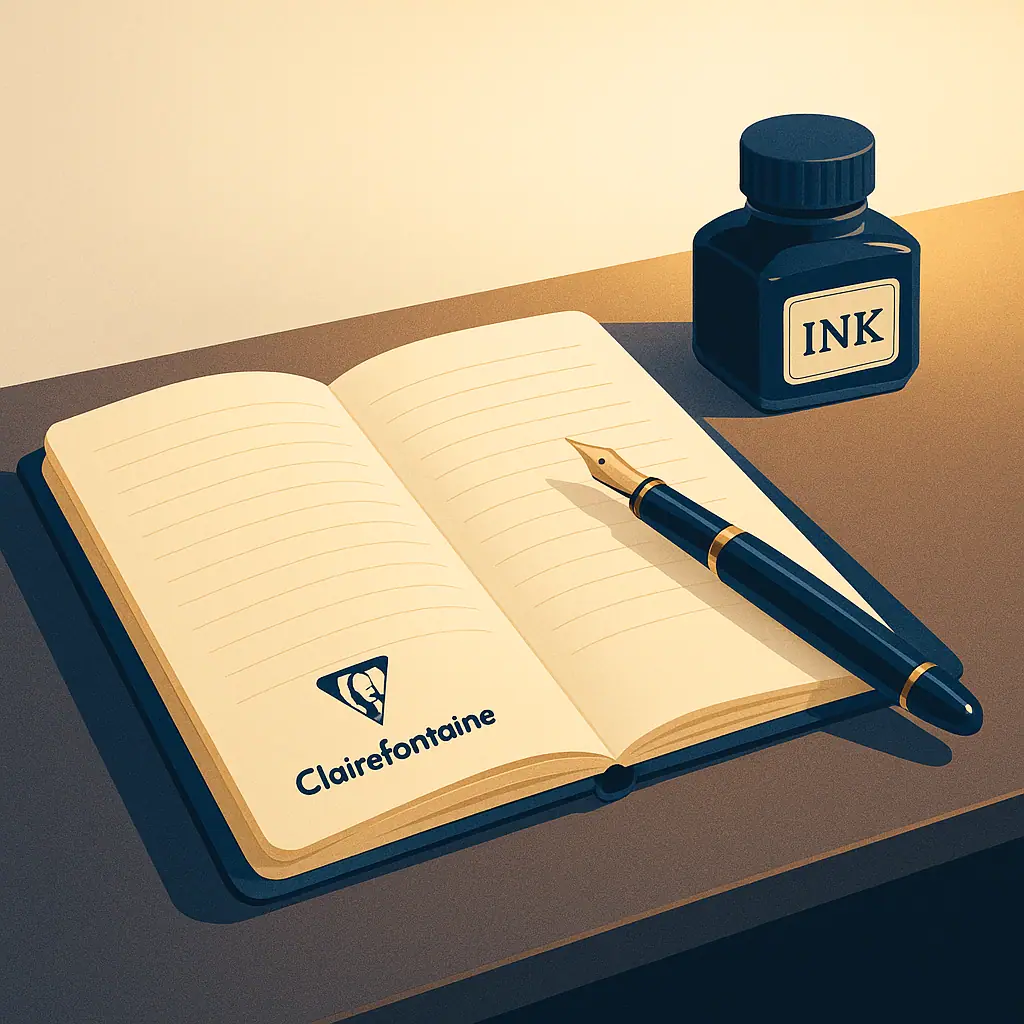
The parent company's namesake paper matches Rhodia's quality while often costing slightly less. Available in numerous formats from loose sheets to bound notebooks. The bright white surface showcases ink colors beautifully. Best for: Writers who want Rhodia performance with more format options.
✨ Tomoe River — Ultra-Thin Luxury ($15-25 per notebook)
This legendary Japanese paper delivers impossible performance from just 52gsm weight. Incredibly, fountain pen ink barely shows through despite the paper's tissue-like thinness. Exceptional for showcasing ink shading and sheen. Best for: Ink enthusiasts and those maximizing page count in bound journals.
💎 Leuchtturm1917 — Practical Premium ($18-25 per notebook)
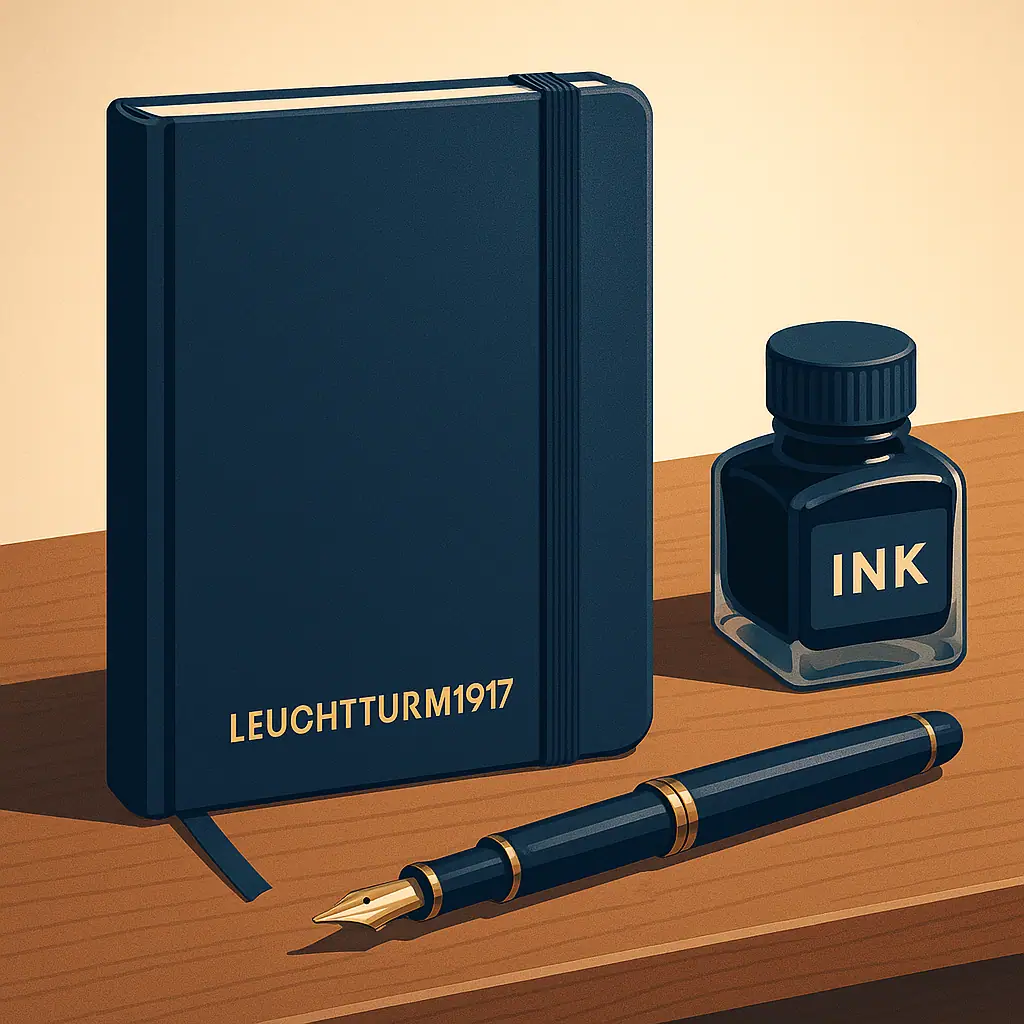
German engineering meets practical design in these numbered, indexed notebooks. The 80gsm paper handles most fountain pens admirably, though wetter pens may show slight ghosting. Best for: Organization-focused writers who want good paper plus built-in structure.
🎯 Midori MD — Japanese Minimalism ($12-18 per notebook)
Cream-colored paper with subtle texture that doesn't interfere with fountain pen performance. The understated aesthetic appeals to writers seeking quiet elegance rather than bright white surfaces. Best for: Writers who prefer warm, natural paper tones and minimalist design.
How Paper Affects Your Writing Experience
I remember my first page on Rhodia paper after years of writing on standard notebooks. The difference felt revelatory — suddenly my affordable Pilot Metropolitan wrote like a luxury pen.
Quality paper provides consistent feedback under the nib. You feel exactly where the pen contacts the surface without scratchy resistance or slippery unpredictability. Ink flows onto the page and stays put rather than feathering into fuzzy edges or bleeding through to the reverse.
The effect compounds over long writing sessions. On premium paper, my hand stays relaxed because I'm not unconsciously compensating for poor surface quality or worrying about bleed-through ruining the next page.
Choosing Paper for Your Needs
Benefits of Premium Paper
- Reduced nib wear: Smooth surfaces extend fountain pen life significantly.
- True ink colors: Proper sizing showcases ink properties you paid for.
- Professional appearance: No feathering or bleed-through in important documents.
- Archival quality: pH-neutral paper preserves writing for decades.
Practical Considerations
- Higher cost per page: Premium paper costs 3-5x more than standard notebooks.
- Limited availability: Specialty paper isn't stocked everywhere.
- Weight matters: Heavier paper means bulkier notebooks for same page count.
Frequently Asked Questions
Can I use regular printer paper with fountain pens?
Standard copy paper works for dry-writing pens with fine nibs, but expect some feathering and possible bleed-through. For regular fountain pen use, invest in proper paper — the difference justifies the modest cost increase.
Does paper color affect fountain pen performance?
Paper color is aesthetic preference rather than performance issue. Bright white showcases ink colors most accurately, while cream or ivory tones reduce eye strain during extended writing sessions.
How do I test paper before committing to a full notebook?
Request sample sheets from paper companies or purchase small format pads before investing in bound notebooks. Test with your specific pens and inks since performance varies with different combinations.
Is expensive paper really necessary for beginners?
Quality paper dramatically improves the learning experience. Beginners already managing new pen technique shouldn't fight poor paper simultaneously. Starting with good paper builds better habits and more enjoyment from day one.
Making Your Paper Choice
Start with Rhodia pads if you're uncertain — they represent proven performance at reasonable cost across all fountain pen types. The dotted or lined formats work beautifully for practice and daily writing.
For bound journals, Leuchtturm1917 offers the best balance of fountain pen performance and practical features like numbered pages and table of contents. Writers focused purely on ink performance should explore Tomoe River despite its premium price.
Clairefontaine provides the most variety in formats and sizes while maintaining excellent quality. And Midori MD serves writers seeking aesthetic warmth alongside solid technical performance.
Whichever paper you choose, you're investing in an essential component of the fountain pen experience. Quality paper isn't an unnecessary luxury — it's what allows your pen and ink to perform as their makers intended.