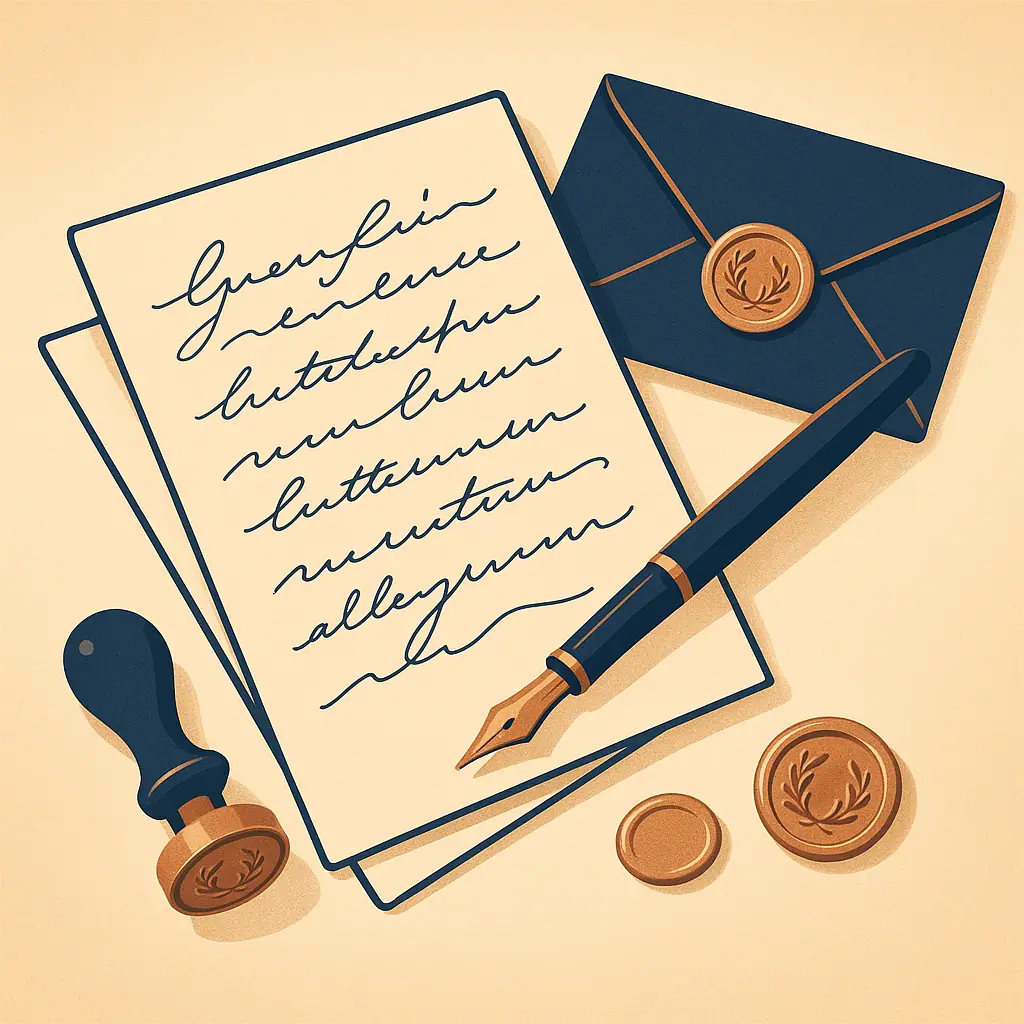
There is something deeply moving about receiving a handwritten note in the mail. In a world of instant messages and quick replies, a handwritten thank you note says something words on a screen simply cannot: I took the time. You matter. And when that note is written with a fountain pen, it becomes something even more special — a small, lasting gesture of genuine care.
Many of us grew up writing thank you notes, and many of us drifted away from the practice. If you've been looking for a reason to pick it back up, a fountain pen may be just the invitation you needed.
Why Handwritten Thank You Notes Still Matter
Research on gratitude consistently shows that expressing thanks in a personal, tangible form creates a stronger emotional connection between writer and recipient. A study from the University of Chicago found that people regularly underestimate how much a handwritten note means to the person receiving it. The act of writing slowly — which a fountain pen naturally encourages — gives you time to reflect and choose your words with real intention.
For those of us in the 50+ community, there's also something nostalgic and affirming about returning to a practice rooted in courtesy and elegance. It connects us to traditions worth preserving.
Choosing the Right Materials
Before you write a single word, a thoughtful selection of materials sets the tone for the entire note.
The Pen and Ink
For formal thank you notes — a wedding gift, a business kindness, a memorial gesture — classic ink colors like dark blue, blue-black, or black are the most appropriate. They convey seriousness and respect. For more personal notes to family and close friends, feel free to choose a deeper burgundy, soft teal, or a rich forest green. The key is readability: avoid pale yellows or overly bright colors that strain the eye.
The Paper
Fountain pen ink deserves fountain pen-friendly paper. A quality card stock or stationery set, with smooth paper at 90g or higher, will prevent feathering and let your writing look its best. Brands like Crane & Co. or Rhodia notecards work beautifully. Avoid thin copy paper — it will bleed and feather noticeably.
How to Write the Perfect Thank You Note
The structure of a great thank you note is simple. It doesn't need to be long — three to five sentences in the body is ideal. What matters is that it feels genuine and specific.
The Structure
Begin with a warm greeting. State clearly what you are thanking the person for, and be specific. Mention how the gift, act of kindness, or gesture made you feel, or how you plan to use it. Close with a warm, personal sign-off — "With gratitude," "Warmly," or "With love."
Always handwrite the envelope address too. That extra detail is noticed and deeply appreciated.
Fountain Pen Etiquette for Thank You Notes
A few practical habits make a real difference in the final result.
- Allow drying time: Fountain pen ink takes a few extra seconds to dry fully. Let each line settle before your hand moves across the page, especially if you tend to write quickly.
- Use light pressure: The nib glides — don't press down. Trust the pen to do the work, and your writing will look far more elegant.
- Write slowly and deliberately: There's no rush. A thank you note isn't an email. Let yourself settle in. The slower pace is part of what makes the experience meaningful.
- Cap the pen when pausing: If you stop to think for more than a few seconds, cap your pen to keep the nib from drying mid-note.
- Proofread before writing: Draft the note on scratch paper first. Once you have the wording right, transcribe it cleanly onto the good stationery.
Pros and Cons of Writing Thank You Notes by Hand
Deeply personal
A handwritten note is irreplaceable — no digital message matches its emotional weight.
Memorable and lasting
Recipients often keep handwritten notes for years, returning to them during difficult times.
Reflects your character
The care you take in writing speaks volumes about the kind of person you are.
Takes more time
A handwritten note takes longer than a quick text, but that's precisely what makes it meaningful.
Requires supplies
Having stationery, ink, and stamps on hand takes a little planning, but it's easy once it becomes a habit.
Frequently Asked Questions
How soon should I send a thank you note?
Aim to send it within a week of receiving a gift or kindness. A note sent two weeks later is still meaningful — just acknowledge briefly that you're sending it a little late.
What ink color is most appropriate for formal notes?
Black, dark blue, or blue-black are the classic choices. They're universally accepted in any context, from casual to highly formal.
Does my handwriting need to be perfect?
Not at all. The effort and care matter far more than flawless penmanship. Recipients appreciate the gesture, not the calligraphy competition.
What if I haven't written by hand in years?
Practice on scratch paper first. Write a few sentences daily for a week and you'll quickly regain your confidence. The fountain pen naturally slows you down, which is a gift in itself.
Final Thoughts
Writing a handwritten thank you note with your fountain pen is one of the most graceful things you can do for another person. It asks very little of you — a few minutes, a good pen, the right words — and it gives the recipient something that digital life simply cannot replicate.
Pick up your pen. Think of someone who deserves a note. Let the ink do the rest.