

There’s something deeply satisfying about filling your fountain pen with fresh ink—like preparing a cherished tool for another chapter of writing. Whether you’re using cartridges for convenience or bottled ink for variety, knowing how to fill your fountain pen properly ensures smooth, consistent writing every time.
The process might seem daunting at first, but once you understand your pen’s filling system, it becomes as natural as breathing. Most fountain pens use either cartridges or a converter system, and each requires a slightly different approach.
Understanding Your Fountain Pen’s Filling System
Before you can fill your pen, you need to identify which filling mechanism it uses. The vast majority of modern fountain pens fall into two main categories:
- Cartridge pens: Use pre-filled ink cartridges that simply plug into the pen
- Converter pens: Use a reusable mechanism to draw ink from bottles
- Built-in filling systems: Less common systems like piston-fillers or vacuum-fillers
If you’re unsure which system your pen uses, check the manufacturer’s instructions or look inside the barrel—you’ll either see a cartridge or a converter mechanism.
Method 1: Filling with Ink Cartridges
Cartridges are the most beginner-friendly option. They’re clean, convenient, and virtually foolproof once you get the hang of it.
Step-by-Step Cartridge Installation
- Unscrew your pen: Remove the barrel (back section) from the grip section
- Remove the old cartridge: If there’s an empty cartridge, gently pull it straight out
- Prepare the new cartridge: Remove any protective seals but leave the narrow end uncapped
- Insert firmly: Push the narrow end into the pen until you feel it pierce and seat properly
- Replace the barrel: Screw the pen back together
- Prime the feed: Gently squeeze the cartridge or wait 5-10 minutes for ink to flow to the nib
The first few strokes might be light as the ink travels through the feed system, but this is perfectly normal.
Method 2: Using a Converter with Bottled Ink
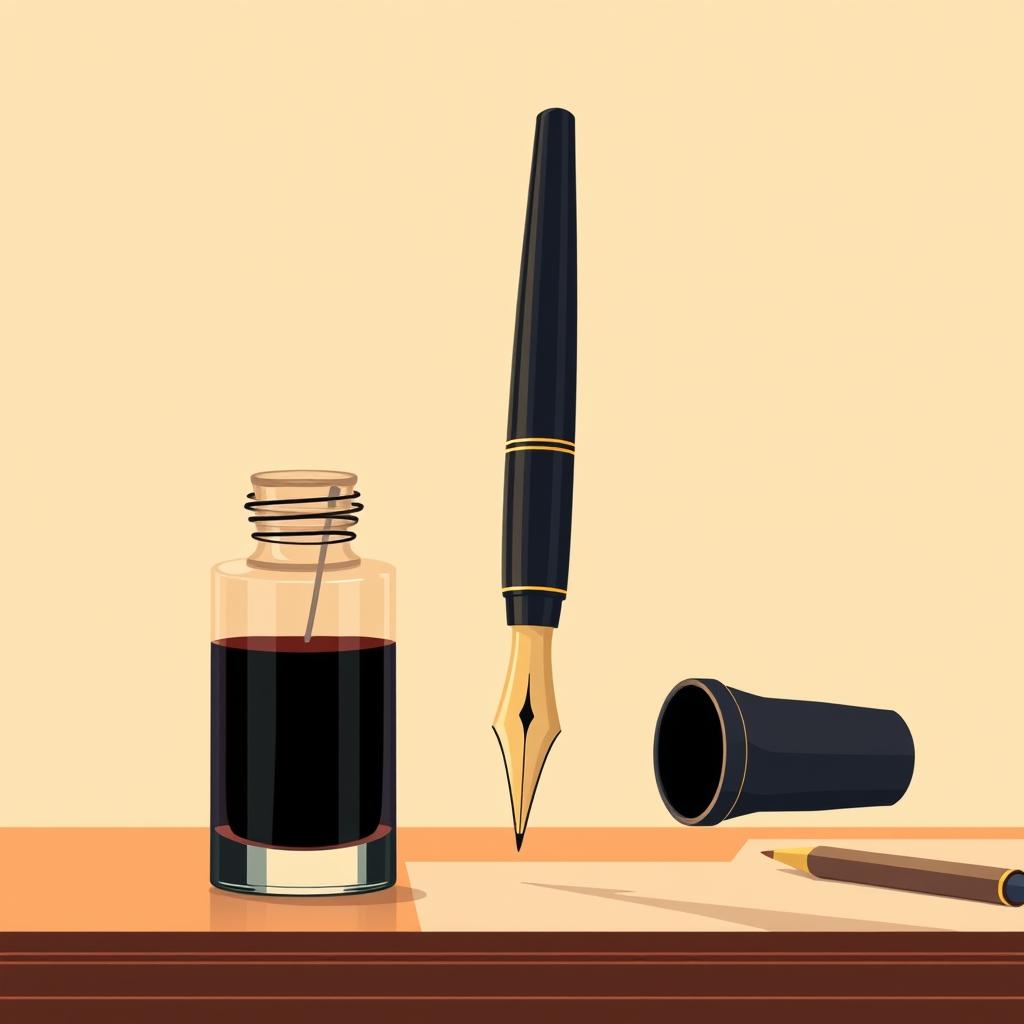
Converters open up a world of ink colors and properties that cartridges simply can’t match. The process requires more attention but offers greater flexibility and value.
Preparing Your Converter
Before filling, ensure your converter is properly installed in your pen. If you’re switching from cartridges, remove the old cartridge and insert the converter the same way—narrow end into the pen until it seats firmly.
The Bottle Filling Process
- Twist the converter: Turn the piston mechanism to expel any air
- Submerge the nib: Dip the entire nib and feed section into the ink bottle
- Draw ink slowly: Turn the converter mechanism to create suction and draw ink into the reservoir
- Clear excess ink: Gently wipe the nib and feed section with a soft cloth
- Test the flow: Make a few test strokes on scrap paper
Ink Variety
Access to hundreds of ink colors and properties unavailable in cartridge form.
Cost Effective
Bottled ink offers significantly better value than cartridges over time.
Environmental Benefits
Reusable converters generate far less waste than disposable cartridges.
More Messy
Requires careful handling to avoid ink spills and stains.
Takes Practice
Getting the technique right requires patience and experience.
Troubleshooting Common Filling Issues
When Your Pen Won’t Fill Properly
Sometimes even experienced fountain pen users encounter filling problems. Here’s how to diagnose and fix the most common issues:
- Air bubbles: Gently tap the pen or twist the converter to expel trapped air
- Insufficient ink: Ensure you’re dipping deep enough—the entire feed should be submerged
- Clogged feed: Rinse with clean water and let dry before refilling
- Wrong cartridge size: Double-check that you’re using the correct cartridge type for your pen
Maintaining Proper Ink Levels
Keep an eye on your ink levels and refill before the pen runs completely dry. Running empty can introduce air into the feed system, leading to skipping and hard starts.
Best Practices for Different Ink Types
Not all inks behave the same way during filling. Here’s what you need to know about different ink formulations:
🏆 Standard Fountain Pen Inks — Most Reliable
These flow consistently and fill predictably. Perfect for beginners learning the filling process.
⭐ Shimmer Inks — Requires Gentle Handling
Give these a gentle swirl before filling, and clean your pen more frequently to prevent particle buildup.
🎨 Iron Gall Inks — Clean Thoroughly
These historic formulations require more frequent cleaning to prevent corrosion in your pen’s mechanism.
Frequently Asked Questions
How often should I refill my fountain pen?
Most fountain pens hold enough ink for 1-3 weeks of moderate writing. Cartridges typically last longer than converter fills because they hold more ink.
Can I mix different ink brands in my pen?
It’s best to clean your pen thoroughly between different ink brands or colors to prevent chemical reactions or color contamination.
Why does my pen leak after filling?
Usually caused by overfilling or ink on the exterior of the cartridge/converter. Always wipe down components before reassembling your pen.
Should I empty my pen before long-term storage?
For storage longer than a month, it’s wise to clean and empty your pen to prevent ink from drying and clogging the feed system.
Final Thoughts
Learning how to fill your fountain pen properly is one of those skills that becomes second nature with practice. Whether you prefer the convenience of cartridges or the variety offered by bottled inks, the key is to work slowly and deliberately until the process feels natural.
Remember that every fountain pen is slightly different, so don’t be discouraged if your technique needs adjustment for different pens in your collection. The reward of a properly filled pen—smooth, consistent ink flow—makes the learning process worthwhile.
Take your time, keep some paper towels handy for cleanup, and enjoy the ritual of preparing your pen for its next writing adventure.