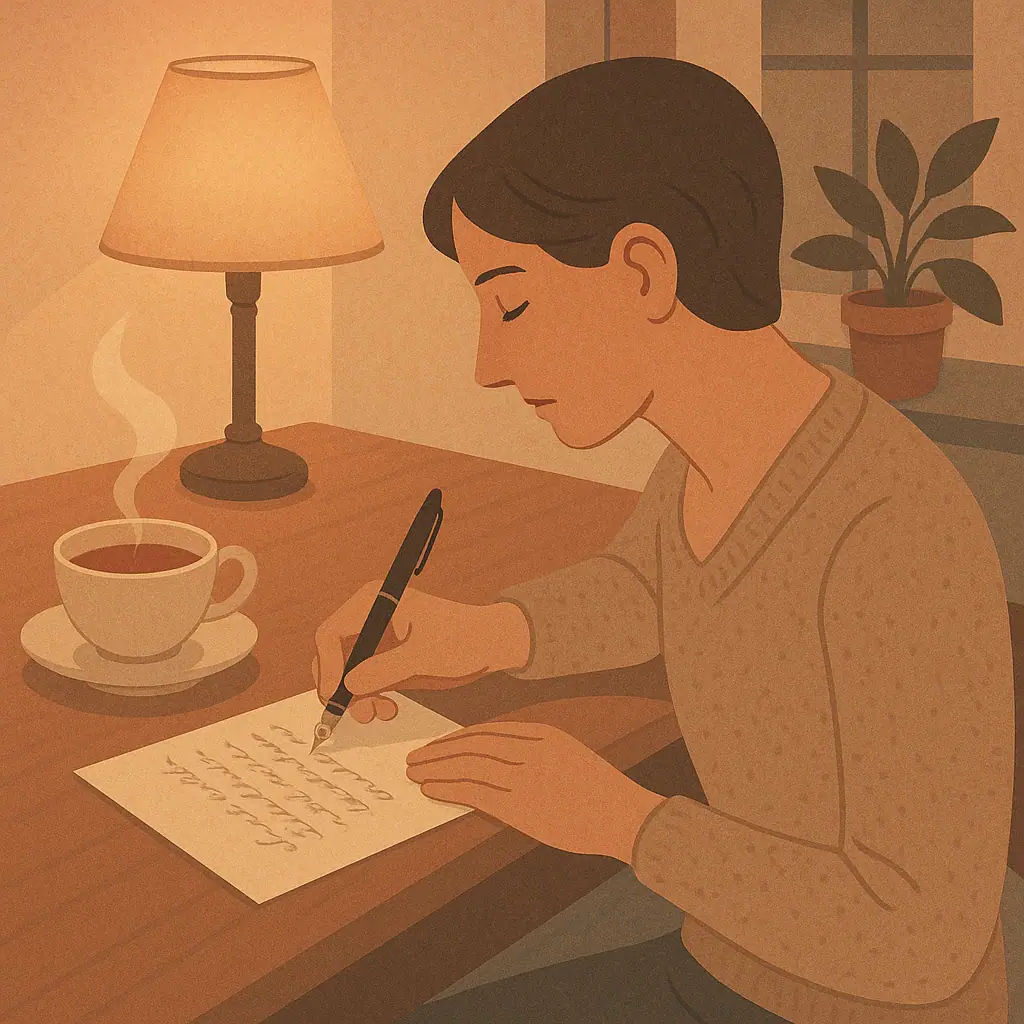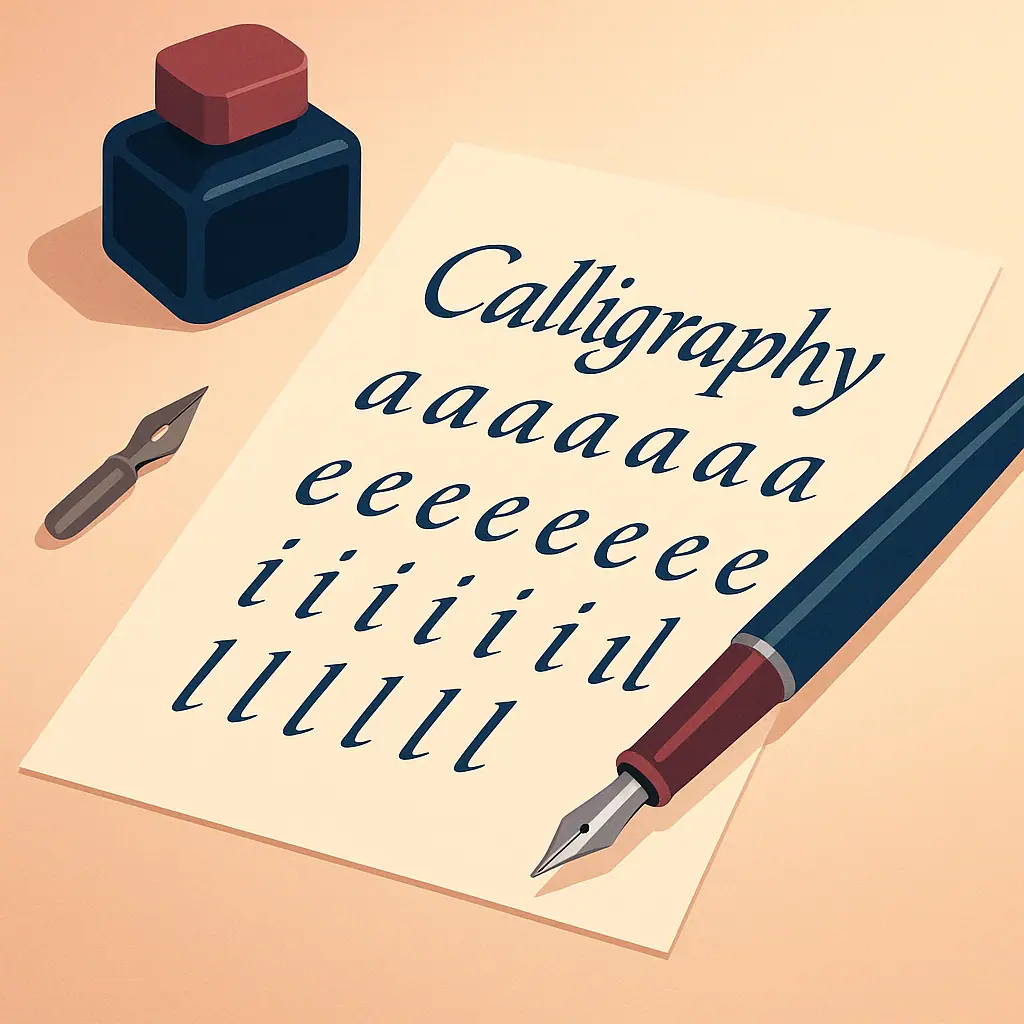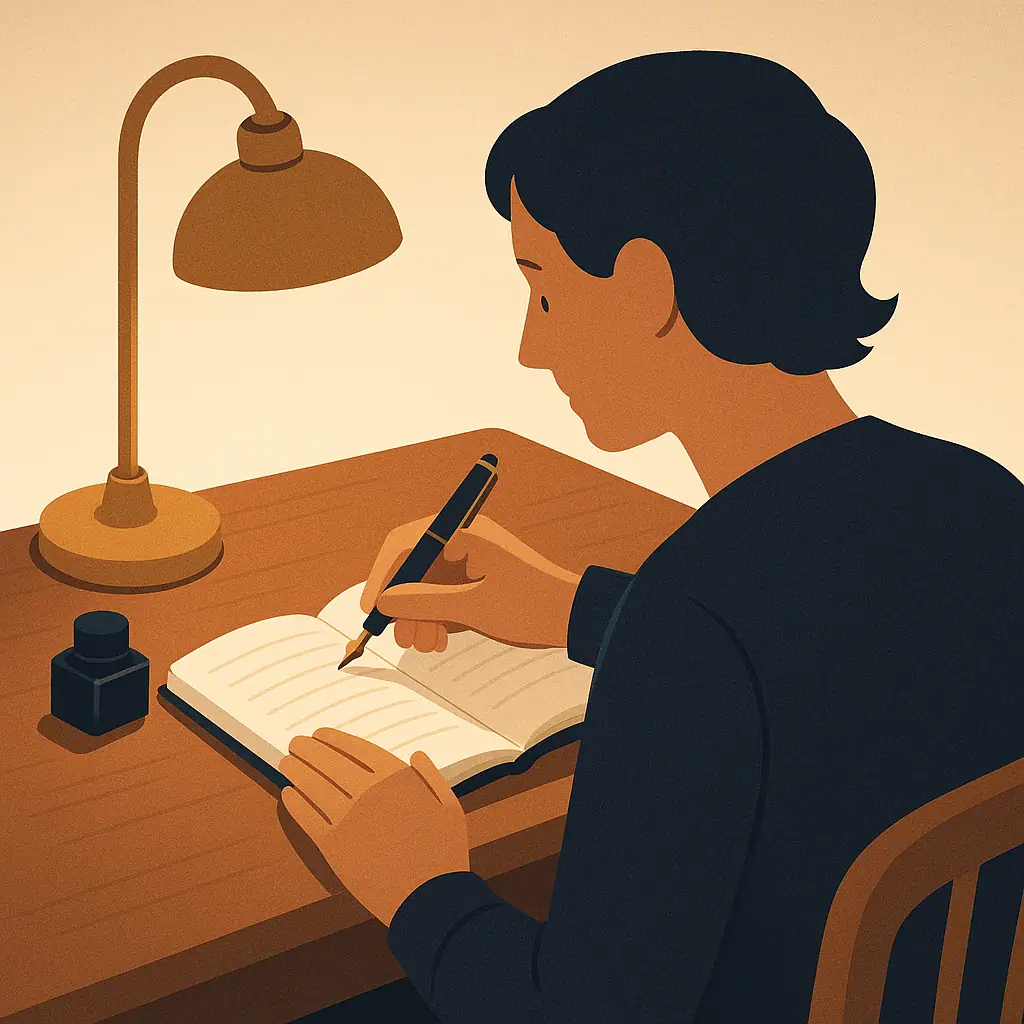
There is something deeply satisfying about uncapping a fountain pen, feeling the cool weight of it settle into your hand, and letting the first strokes of ink flow across a clean page. For many of us who grew up writing by hand, that sensation carries a kind of quiet magic we thought was lost forever. The good news? It does not have to be.
Starting a daily writing practice with your fountain pen is one of the most rewarding habits you can build. It does not require talent, inspiration, or even a great deal of time. Just five to ten minutes a day is enough to begin and the benefits go far beyond the words on the page.
What Is a Daily Writing Practice?
A daily writing practice is simply the commitment to put pen to paper at a consistent time each day, for your own benefit and no one else. It is not about producing great literature or filling a journal with polished prose. It is about showing up, uncapping that pen, and letting your thoughts unspool onto paper in their natural, imperfect form.
Why Fountain Pens Make Writing a Ritual
Ordinary pens can feel disposable. A fountain pen is different. The small ceremony of uncapping it, the satisfying flow of real ink, the way the nib glides with almost no pressure, all of these things slow you down and signal to your mind that this moment matters. The pen itself becomes part of the practice.
Many writers describe the shift to fountain pens as the moment their writing habit finally stuck. The tool made the ritual worth protecting.
Why Daily Writing Matters for Your Well-Being
Research consistently shows that regular expressive writing has measurable effects on mental health. A 2006 study published in the Journal of Experimental Psychology found that writing about thoughts and feelings freed up cognitive resources that were otherwise occupied by worry and rumination. Simply put: when you write it down, your brain can let it go.
The Science Behind Writing by Hand
When you write with a pen rather than a keyboard, your brain processes information more thoroughly. The slower pace forces you to think before committing a word to paper, which leads to more reflective thinking and better emotional processing. For those of us in our fifties, sixties, and beyond, this kind of cognitive engagement is especially valuable.
How to Build Your Writing Routine
The simplest writing practices are often the most durable. You do not need a complicated system, just a pen, a notebook, and a few minutes of quiet.
- Choose a consistent time: Morning works beautifully for most people, before the demands of the day crowd in. Even ten minutes with your morning coffee makes a real difference.
- Start with one page: Commit to filling just one page. Write about what you see, what you feel, or what is on your mind. There are no wrong answers.
- Keep your pen inked and ready: A pen that needs to be filled before you can write becomes a reason to skip. Keep your fountain pen inked and capped on your desk the night before.
- Use prompts when stuck: Try finishing a sentence like "Today I am grateful for..." or "Something I have been thinking about lately is..." Prompts remove the blank-page paralysis.
- Do not edit while you write: The daily practice is for expression, not perfection. Let the ink flow without stopping to reconsider.
Setting Up Your Writing Space
Your writing space does not need to be grand. A corner of the kitchen table works just as well as a dedicated study. What matters is that it feels inviting, a place you actually want to sit down at each day.
A few things that help: good natural light, a comfortable chair, your favorite notebook open and waiting, and your fountain pen already filled with an ink you enjoy. Some people keep a small candle or a cup of tea as part of the ritual. These small sensory anchors tell your brain it is writing time.
Pros and Cons of Daily Writing with a Fountain Pen
Reduces Stress and Mental Clutter
Writing down worries and thoughts gives your brain permission to release them, leading to a calmer, clearer mind.
Builds a Rewarding Daily Habit
The sensory pleasure of a fountain pen makes the ritual enjoyable rather than a chore, making it much easier to sustain long-term.
Supports Cognitive Health
Regular handwriting keeps your brain engaged and has been linked to better memory, focus, and emotional well-being.
Requires Consistent Ink Maintenance
Your fountain pen needs to be kept inked and cleaned regularly, a minor but real commitment compared to a ballpoint.
Blank-Page Anxiety Is Real
Some days finding the first words feels difficult. Having prompts ready can help, but the blank page never fully disappears.
Frequently Asked Questions
How long should my daily writing session be?
Start with just five to ten minutes. Consistency matters far more than length. Once the habit is established, you may find yourself naturally writing longer, but even a half-page counts as a meaningful practice.
What should I write about if I have no ideas?
Write about your morning: what you heard, what you noticed, how you feel. Describe your pen or the color of the ink. Mundane observations are perfectly valid starting points. The goal is to move the pen, not to produce wisdom.
Do I need a special notebook for daily writing?
You do not need anything expensive. A Rhodia or Clairefontaine notebook is ideal for fountain pen ink, but any smooth paper will work. What matters is that you like opening it. A notebook that feels special to you is one you will return to.
What if I miss a day?
Missing a day is not failure, it is just a missed day. Simply pick up the pen the next morning and continue. The practice is not about perfection. It is about returning, gently and without judgment, to the page.
Final Thoughts
A daily writing practice with a fountain pen is one of those rare habits that gives back more than it asks. The time investment is small. The rewards, clarity, calm, a deeper connection to your own thoughts, are real and lasting. You do not need to be a writer to benefit from writing. You only need a pen, a page, and a little willingness to begin.
Start tomorrow morning. Keep it simple. Let the ink do what it does best.