
Tomoe River paper has an almost legendary reputation among fountain pen users, and for good reason. If you have ever wondered why experienced writers speak about it with a kind of quiet reverence, the answer is simple: this paper shows you exactly what your pen and ink can do. For beginners, that can be both delightful and a little surprising.
Unlike ordinary notebook paper, Tomoe River paper is designed to handle fountain pen ink with remarkable grace. Lines stay crisp, colors look richer, and subtle qualities like shading and sheen suddenly become visible. At the same time, its famously thin pages create a few trade-offs that are worth understanding before you buy your first notebook.
Choosing paper is a bit like choosing crystal for a fine drink. The vessel changes the experience. With the right paper, a familiar pen can feel smoother, look more expressive, and become much more enjoyable to use for letters, journaling, or everyday notes.
What Is Tomoe River Paper?
Tomoe River paper is a Japanese paper known for being exceptionally thin, smooth, and fountain pen-friendly. It is often sold in 52gsm and 68gsm versions, both of which are far lighter than the paper found in most office notebooks. Yet despite its light weight, it resists feathering and bleed-through far better than many thicker papers.
That combination is what makes it special. A fountain pen glides across the page, ink sits neatly on the surface, and the character of the ink remains visible instead of being swallowed by rough fibers. If you enjoy seeing color variation in your writing, few papers make that easier to appreciate.
- Thin but capable: The sheet feels delicate, yet it performs impressively with wet fountain pen inks.
- Smooth writing feel: Nibs move with less drag, which many beginners find immediately pleasant.
- Ink-friendly surface: Shading, sheen, and crisp edges are much more visible than on standard paper.
Why Tomoe River Paper Feels So Different
The first thing most writers notice is the sensation of the nib on the page. Tomoe River paper feels smooth and controlled rather than soft or absorbent. That means your fountain pen is less likely to feel scratchy, especially if you are still learning hand pressure and pen angle.
The second difference is visual. Inks that seem ordinary on cheaper paper often look more elegant here. Blues show depth, browns look warmer, and specialty inks can reveal sheen that would otherwise go unnoticed. This is why many enthusiasts use Tomoe River paper when testing new inks.
For a beginner, this can be encouraging. When your writing tools behave well, you are more likely to keep using them. Good paper removes one of the most common frustrations in the hobby: poor performance caused by the page rather than the pen.
How It Performs with Fountain Pens in Real Use
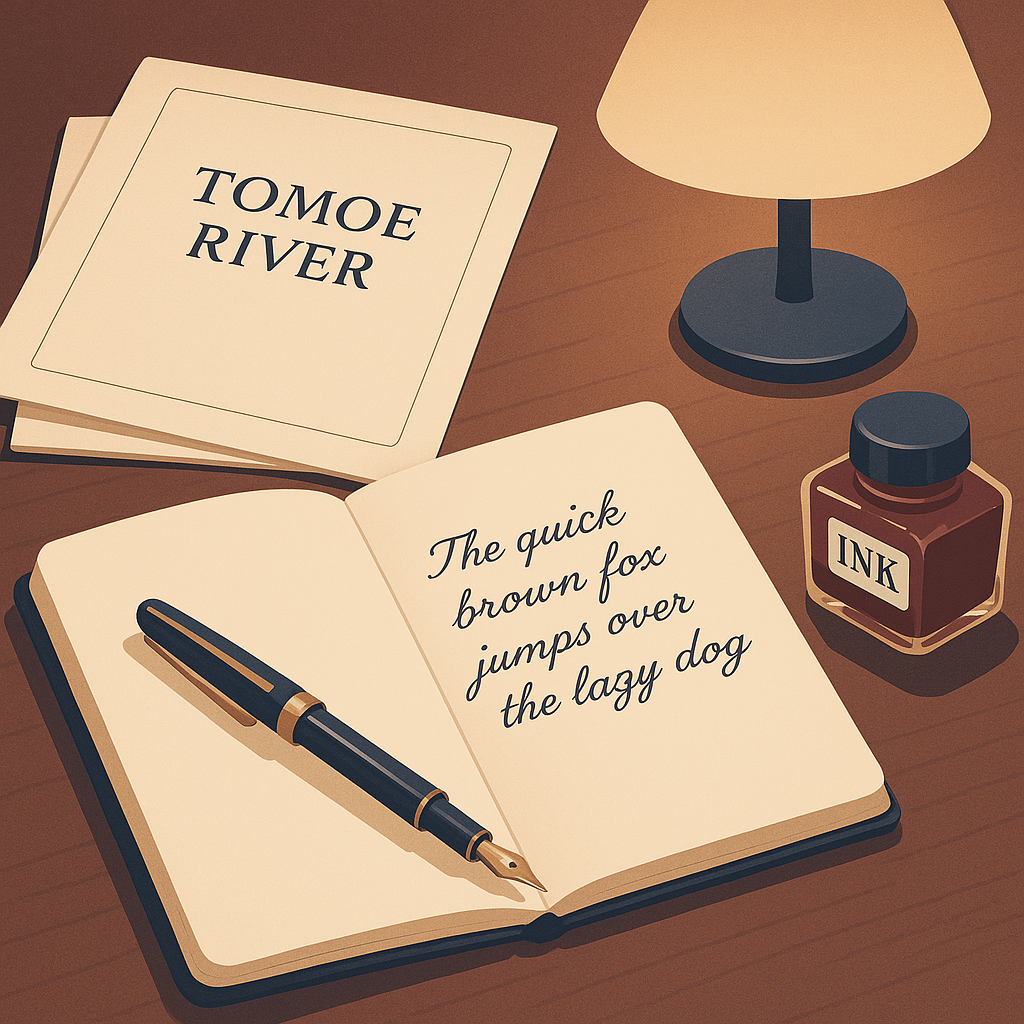
In practical writing, Tomoe River paper handles fountain pens exceptionally well. Feathering is rare, even with wetter nibs. Bleed-through is also uncommon, which is impressive given how thin the paper feels in the hand. You can usually write on both sides, though you will often notice show-through from the opposite page.
This is where many new users confuse two ideas: ghosting and bleed-through. Ghosting means you can see writing from the reverse side because the sheet is thin. Bleed-through means ink has actually penetrated the page. Tomoe River paper often shows ghosting, but much less true bleed-through than ordinary paper.
Where it shines
Tomoe River paper is especially lovely for journaling, letter writing, ink swatching, and reflective writing sessions where you want the page to feel a little ceremonial. It turns everyday handwriting into a more intentional act.
Where it can frustrate
The main compromise is drying time. Because the paper is less absorbent, ink stays on the surface longer. If you are left-handed, write quickly, or tend to close notebooks immediately after writing, you may need a touch more patience than usual.
Pros and Cons for Beginners
Excellent resistance to feathering
Even wetter fountain pen inks usually stay sharp and controlled instead of spreading into fuzzy lines.
Shows shading and sheen beautifully
It helps beginners notice the personality of different inks, which adds pleasure to the writing experience.
Thin paper allows compact notebooks
You can carry many pages in a notebook without it feeling bulky or heavy.
Smooth, refined writing feel
The surface often makes fountain pens feel more polished and consistent in daily use.
Noticeable ghosting
Because the paper is so thin, writing from the other side of the page is often visible.
Longer ink drying times
Less absorbency means smudging can happen if you move too quickly after writing.
May feel too delicate for heavy pressure
Writers who press hard may prefer sturdier paper while developing a lighter touch.
How to Decide if Tomoe River Paper Is Right for You
If you are exploring fountain pens as a relaxing hobby, Tomoe River paper is easy to recommend. It rewards slower, more mindful writing and helps you see why fountain pen enthusiasts care so much about paper. For someone who enjoys letters, journaling, or savoring ink color, it can feel like an upgrade in atmosphere as much as performance.
If your priority is fast note-taking, quick dry times, or minimal show-through, another fountain pen paper may suit you better. Clairefontaine and Rhodia often feel more straightforward for everyday use, especially in busy settings. Tomoe River paper is not difficult, but it does ask for a slightly more patient rhythm.
- Choose 52gsm if you want the classic ultra-thin experience and maximum page count.
- Choose 68gsm if you want a bit less ghosting and a slightly sturdier feel.
- Use blotting paper if you tend to smudge or close notebooks quickly after writing.
Frequently Asked Questions
Is Tomoe River paper good for fountain pen beginners?
Yes. It is one of the best papers for showing what a fountain pen can do, especially if you want crisp lines and attractive ink color. The only adjustment is learning to tolerate a bit of ghosting and slower drying times.
Does Tomoe River paper bleed through?
Usually far less than ordinary notebook paper. What many people notice is ghosting rather than true bleed-through, because the sheets are so thin.
What is the difference between 52gsm and 68gsm Tomoe River paper?
The 52gsm version is thinner, lighter, and more iconic among enthusiasts. The 68gsm version feels slightly sturdier and usually shows a bit less ghosting while keeping much of the same fountain pen-friendly performance.
Is Tomoe River paper worth it for everyday writing?
It can be, especially if you enjoy the writing experience itself. But if you need faster drying and less show-through for practical office notes, another fountain pen paper may be easier to live with day to day.
Final Thoughts
Tomoe River paper has earned its reputation because it makes fountain pens feel expressive, graceful, and rewarding. It is not the most utilitarian paper in the world, nor the quickest to dry, but it offers a distinctive writing experience that many people find memorable from the very first page.
For beginners, that matters. A good early experience can turn curiosity into a lasting hobby. If you want to understand why paper matters so much in the fountain pen world, Tomoe River paper is one of the clearest and most enjoyable places to begin.