When you're searching for fountain pen ink that won't disappear at the first sign of moisture, the terminology can be confusing. Waterproof, water-resistant, permanent—these terms are often used interchangeably, but they actually describe very different levels of protection against water damage.
As someone who's tested dozens of inks with water exposure (sometimes accidentally!), I've learned that understanding these distinctions can save you from disappointment and help you choose the right ink for your specific needs. Whether you're writing important documents, addressing envelopes, or creating artwork, the level of water protection matters.
Understanding the Terminology
The fountain pen ink world uses several terms to describe how inks behave when exposed to water, and each has a specific meaning:
- Waterproof: Completely unaffected by water exposure—no running, fading, or change in appearance
- Water-resistant: Maintains legibility when wet, but may show some color change or slight bleeding
- Permanent: Chemically bonds to paper fibers, becoming extremely difficult to remove
- Bulletproof: Noodler's specific term for inks that resist water, bleach, UV light, and solvents
These categories aren't mutually exclusive—some inks combine multiple protective properties.
How Water Protection Actually Works
Different types of fountain pen inks achieve water resistance through various chemical mechanisms, and understanding these helps explain their different performance characteristics.
Pigment-Based Inks
These inks contain tiny particles of colorant that don't dissolve in water. Instead, they bond mechanically to paper fibers. Popular examples include Platinum Carbon Black and many Sailor pigmented inks. The particles literally get trapped in the paper, making them highly resistant to water.
Iron Gall Inks
These traditional formulations create a chemical reaction with the paper, essentially creating a permanent stain. TWSBI Blue-Black and Rohrer & Klingner Salix are modern examples. They start out one color and darken as they oxidize, becoming increasingly water-resistant over time.
Testing Water Resistance: What Really Happens
When fountain pen enthusiasts talk about testing water resistance, they're usually referring to specific scenarios that simulate real-world accidents and exposures.

The Standard Water Test
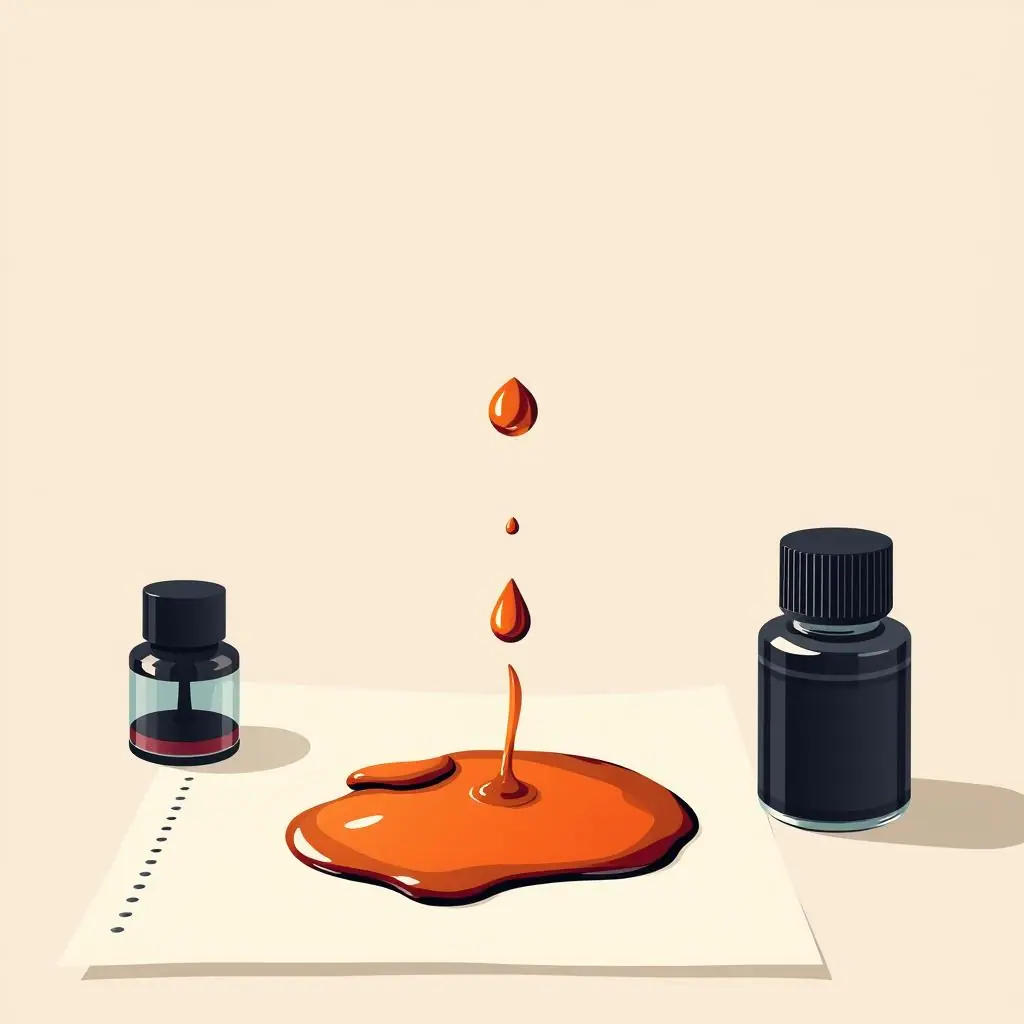
The most common test involves writing samples, letting them dry completely, then applying water drops or running the paper under a tap. Here's what typically happens:
- Truly waterproof inks: Show no change at all—the writing remains crisp and unaffected
- Water-resistant inks: May lighten slightly but remain completely legible
- Standard dye-based inks: Run, blur, or wash away partially or completely
- Washable inks: Dissolve readily and can be removed with water
Top Waterproof Fountain Pen Ink Recommendations
Based on extensive testing by the fountain pen community, certain inks have earned reputations for exceptional water resistance:
🏆 Platinum Carbon Black — The Gold Standard
This pigment-based ink consistently performs at the top of water resistance tests. Rich, dark black with excellent flow properties.
⭐ Noodler's Heart of Darkness — Maximum Protection
Marketed as "bulletproof," this ink resists water, UV light, bleach, and solvents. Perfect for important documents.
🎨 Sailor Pigmented Inks — Colorful Options
The Sailor pigmented line offers excellent water resistance in multiple colors, though they require more maintenance than dye-based inks.
Water-Resistant Alternatives
If you need some water protection but want the flow characteristics of traditional dye-based inks:
- TWSBI Blue-Black: Iron gall formulation that becomes more resistant over time
- Rohrer & Klingner Salix: Beautiful blue-black with excellent water resistance after oxidation
- Montblanc Permanent Series: Good balance of water resistance and traditional ink behavior
Document Security
Critical documents remain legible even after water exposure or attempts at tampering.
Outdoor Use
Perfect for addressing mail, field notes, or any writing that might encounter weather.
Archival Quality
Many waterproof inks also resist fading and aging, making them ideal for permanent records.
Harder to Clean
Waterproof inks can be difficult to flush from fountain pens and may require special cleaning.
Limited Colors
Most waterproof options come in black or blue-black, with fewer color choices available.
When to Choose Each Type
Your choice between waterproof, water-resistant, and standard inks depends on your specific writing needs and priorities.
Choose Waterproof Ink For:
- Legal documents: Contracts, wills, official forms that must remain permanently legible
- Addressing mail: Envelopes that might encounter weather or postal handling
- Field notes: Outdoor writing where weather exposure is likely
- Archival records: Important documents meant to last decades
Choose Water-Resistant Ink For:
- Daily journaling: Protection against accidental spills without sacrificing ink variety
- Correspondence: Letters that should survive minor water exposure
- Professional documents: Business writing that needs some protection but not maximum durability
Standard Inks Work Best For:
- Creative writing: When you want maximum color options and smooth flow
- Casual note-taking: Indoor use where water exposure is unlikely
- Pen testing: Easy to clean when switching between different inks frequently
Frequently Asked Questions
Will waterproof fountain pen ink damage my pen?
No, but pigment-based waterproof inks require more frequent cleaning to prevent buildup. Follow manufacturer recommendations for maintenance intervals.
How can I tell if an ink is truly waterproof?
Test a sample by writing on your preferred paper, letting it dry completely, then applying water. Truly waterproof inks show no change in appearance.
Are iron gall inks safe for modern fountain pens?
Modern iron gall formulations are generally safe for contemporary pens when used regularly and cleaned periodically. Avoid leaving them in pens for months without use.
Can I mix waterproof and regular inks?
It's not recommended to mix different ink types directly. Always clean your pen thoroughly when switching between waterproof and standard inks to avoid chemical reactions.
Final Thoughts
Understanding the differences between waterproof, water-resistant, and permanent fountain pen inks empowers you to make informed choices based on your specific needs. Whether you prioritize document security, color variety, or ease of maintenance, there's an ink type that fits your requirements.
Remember that no ink choice is permanent—you can always experiment with different formulations to find what works best for your writing style and purposes. Start with one waterproof ink for important documents and keep a selection of water-resistant options for everyday use.
The key is matching the ink's protection level to your actual needs, rather than defaulting to maximum protection for every writing task.