There's something magical about the first stroke of a fountain pen across quality paper — that smooth, effortless flow that transforms simple writing into an art form. Yet for many beginners, that first experience can feel awkward and uncertain. How do you write with a fountain pen properly? Unlike ballpoint pens that require pressure, fountain pens demand a gentler, more mindful approach.
If you've just acquired your first fountain pen, you're embarking on a journey that connects you to centuries of writing tradition. The technique might feel foreign at first, especially if you're accustomed to pressing down with ballpoint pens, but with the right guidance, you'll discover why fountain pen enthusiasts speak so passionately about the writing experience.
Let me walk you through everything you need to know to write beautifully and confidently with your fountain pen, from the very first stroke to developing your own unique style.
Understanding Your Fountain Pen's Unique Nature
Before we dive into technique, it's crucial to understand that fountain pens work on capillary action — the ink flows from the reservoir through the feed to the nib simply by touching paper. This fundamental difference means everything about your writing approach needs to change.
Unlike ballpoint pens that deposit thick paste-like ink through pressure, fountain pens use liquid ink that flows freely when the nib contacts paper. This is why pressing down actually inhibits ink flow rather than improving it. The sweet spot is finding that perfect balance where the nib barely touches the paper surface.
Think of it like ice skating versus walking — with ice skating, you glide effortlessly when you maintain proper form, but the moment you try to force it, you lose balance and control.
The Proper Grip and Angle
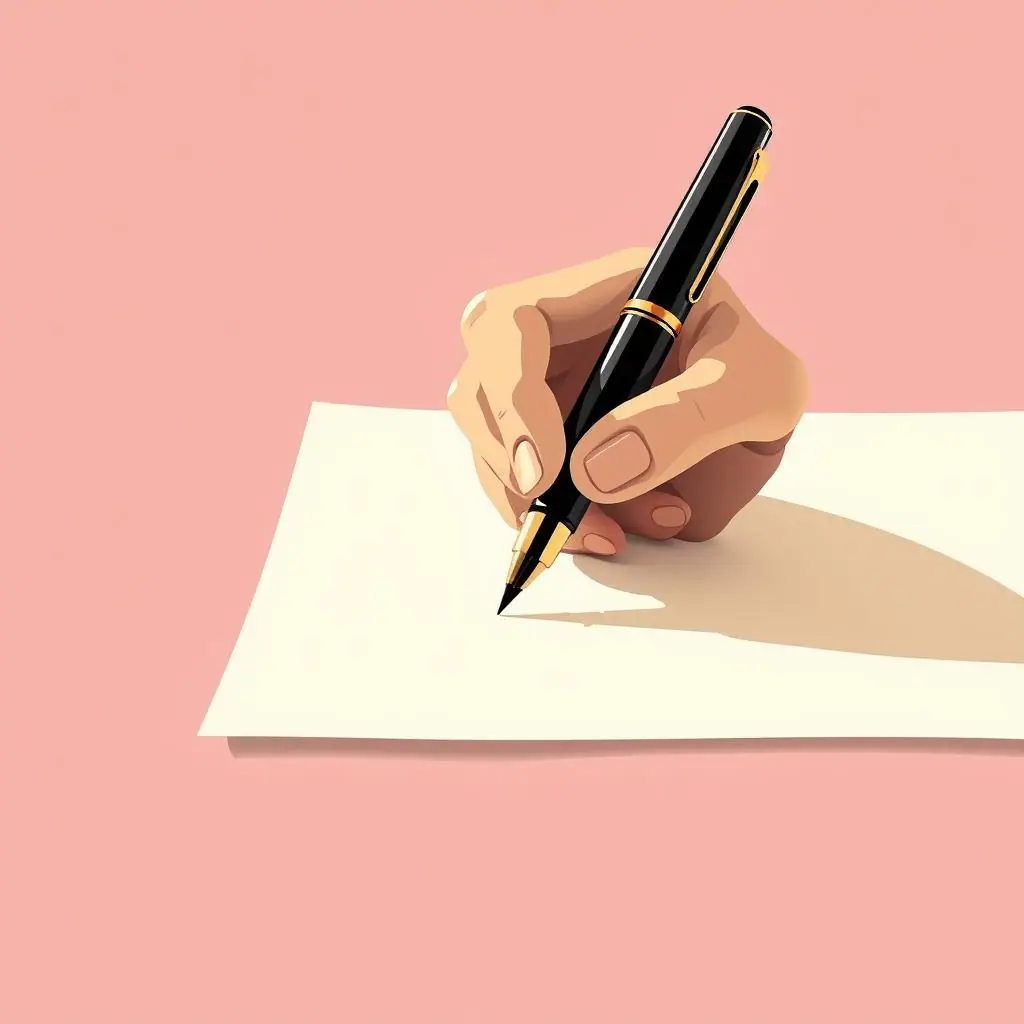
Your grip is the foundation of good fountain pen writing. Hold your fountain pen about an inch above the nib, using a relaxed tripod grip with your thumb and index finger supporting the pen while it rests on the side of your middle finger.
The critical element is maintaining the proper writing angle — approximately 45 degrees to the paper surface. This angle ensures optimal ink flow while preventing the nib from digging into the paper or skipping.
- Too steep (90 degrees): Creates scratchy writing and poor ink flow
- Too shallow (under 30 degrees): Causes inconsistent line width and potential leaking
- Just right (40-50 degrees): Smooth, consistent lines with perfect ink flow
Unlike ballpoint writing where you can rotate the pen freely, fountain pens need to maintain consistent orientation. The nib's sweet spot — usually the center where the tines meet — should always contact the paper first.
Your First Strokes: Building Confidence
Start with simple exercises before attempting to write words. Practice drawing horizontal lines, vertical lines, and gentle curves on fountain pen-friendly paper. Focus on maintaining that 45-degree angle while letting the pen glide rather than pushing it.
Here's a progression that works beautifully for beginners:
- Horizontal strokes: Left to right, maintaining consistent pressure (barely any)
- Vertical strokes: Top to bottom, focusing on smooth, controlled movement
- Circular motions: Clockwise and counterclockwise to develop control
- Figure-8 patterns: Builds fluid motion and confidence
- Letter shapes: Start with rounded letters like 'o', 'a', 'e' before angular ones
Remember, fountain pen writing should feel effortless. If you're experiencing resistance, check your angle and ensure you're not applying pressure. The pen should almost seem to write by itself once you find the right touch.
Managing Ink Flow and Line Variation
One of fountain pens' most delightful characteristics is their ability to create natural line variation based on writing angle and speed. This isn't a bug — it's a feature that adds character and personality to your handwriting.
Understanding how to work with this variation rather than fighting it makes all the difference:
- Consistent angle = consistent lines: Maintain your 45-degree angle for uniform strokes
- Slight rotation creates width changes: Useful for emphasis and style
- Speed affects flow: Slower writing often produces thicker lines
- Paper angle matters: Keep your paper at a comfortable angle for natural hand movement
Don't worry if your first attempts look inconsistent — this variation becomes part of your unique writing character over time. Embrace it rather than trying to eliminate it completely.
Common Beginner Mistakes to Avoid
After helping countless people transition to fountain pens, I've noticed the same mistakes appear again and again. Here are the most important ones to watch for:
Pressing too hard
This is the #1 beginner mistake — treating it like a ballpoint pen.
Wrong paper choice
Using cheap copy paper that causes bleeding and feathering.
Inconsistent angle
Constantly rotating the pen instead of maintaining proper orientation.
Light touch
Let the pen's weight provide the only pressure needed.
Quality paper
Use fountain pen-friendly paper for the best experience.
Consistent form
Maintain the same grip and angle throughout your writing session.
Building Your Daily Writing Practice
Like any skill worth mastering, fountain pen writing improves with consistent practice. But this shouldn't feel like a chore — it's an opportunity for daily mindfulness and creativity.
I recommend starting with just 10 minutes of practice each morning. This might include:
- Morning pages: Stream-of-consciousness writing to warm up your hand
- Quote copying: Write out favorite quotes or poems for both practice and inspiration
- Letter writing: Handwritten notes to friends and family
- Journaling: Daily reflection using your fountain pen
- Shopping lists: Turn mundane tasks into writing practice
The key is consistency over duration. Better to write for 10 minutes daily than to have marathon sessions once a week. Your muscle memory and confidence build through regular, repeated practice.
Troubleshooting Common Writing Issues
Even with proper technique, you might encounter some challenges as you develop your fountain pen skills. Here are solutions to the most common issues:
Hard Starts or Skipping
If your pen won't start writing immediately or skips occasionally, try these solutions:
- Prime the feed: Gently touch the nib to paper and hold for a moment
- Check ink level: Low ink can cause flow issues
- Clean the pen: Dried ink might be blocking the feed
Too Much Ink Flow
If your pen writes too wetly or creates thick lines:
- Adjust your angle: Try writing slightly more upright
- Check paper quality: Some papers absorb more ink than others
- Reduce writing speed: Slower writing can increase ink flow
Frequently Asked Questions
How much pressure should I use when writing?
Use virtually no pressure — just enough contact for the nib to touch the paper. The pen's own weight should provide sufficient pressure for ink to flow.
Why does my handwriting look different with a fountain pen?
Fountain pens create natural line variation and flow differently than ballpoint pens. This variation adds character to your writing and will become more controlled with practice.
Can I write as fast with a fountain pen as with a ballpoint?
With practice, yes. Many experienced users find fountain pens actually allow for faster writing due to the reduced pressure required and smoother flow.
What if my fountain pen feels scratchy?
Check your writing angle and pressure first. If the scratchiness persists, the nib may need adjustment or the paper quality might be too rough for fountain pen use.
Embracing the Learning Journey
Learning to write with a fountain pen is like learning to dance — it requires patience, practice, and a willingness to embrace the learning process. Every fountain pen enthusiast started exactly where you are now, feeling uncertain about technique and wondering if they'd ever achieve that effortless flow they'd heard about.
The beautiful truth is that fountain pen writing rewards patience and mindfulness. Unlike our hurried digital world, writing with a fountain pen encourages you to slow down, be present, and enjoy the physical act of creating letters on paper. This mindful approach often becomes as valuable as the improved handwriting itself.
Remember that developing your fountain pen technique is a personal journey. Your writing style will evolve naturally as you become more comfortable with the pen's unique characteristics. What matters most is finding joy in the process and celebrating the small improvements along the way.
Start with these fundamentals, practice regularly, and be patient with yourself. Before long, you'll discover why so many people consider fountain pen writing not just a skill, but a daily source of pleasure and mindfulness.